
Bitcoin Lending 101: What to Demand From Any Platform
Quick Notes
- Blind trust is dead — demand transparency, custody, and segregation.
- Proof of Reserves is non-negotiable. Third-party verified or walk away.
- Custody matters. Ring-fenced collateral is safer than pooled assets.
- LTV discipline is survival. Start at 50%, never cross 70%.
- Regulators will squeeze. Choose platforms on firm legal ground.
- Lending is the oil of the Bitcoin economy — it fuels liquidity without selling upside.
The New Rules of Bitcoin Lending
Transparency or Nothing
Look for independent Proof of Reserves verified by a third party. A real audit, not just a PDF saying “trust us.” Platforms that publish frequent disclosures and let you verify your account hash are setting the bar.
Collateral Segregation
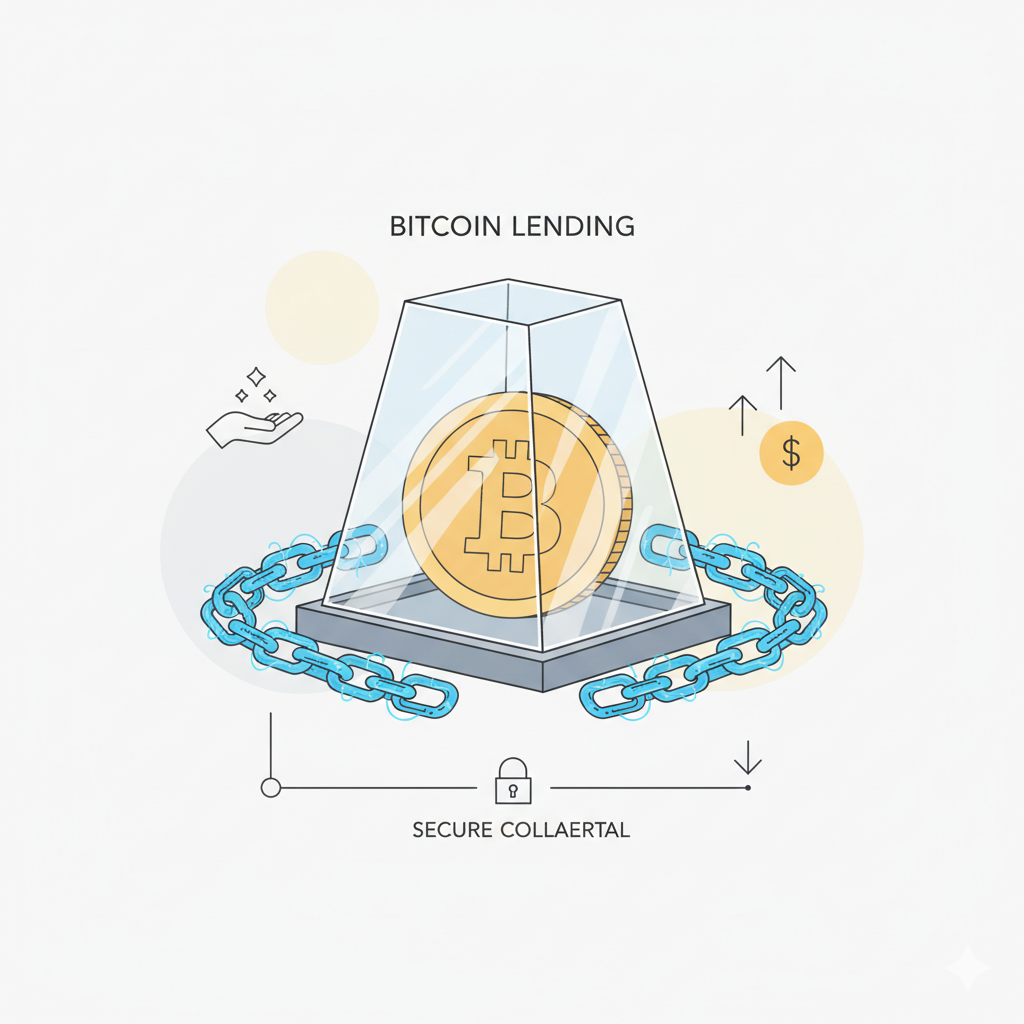
Your Bitcoin should sit in a legally ring-fenced address, not a communal pool. The line between your assets and their balance sheet must be crystal clear.
Simple, Boring Products
If you can’t explain the loan terms at a bar in 60 seconds, walk away. Clean loan-to-value thresholds, auto alerts, and predictable liquidation triggers are the marks of a real lender, not a casino.
Custody Pedigree
Ask where collateral is held. Institutional-grade custody (SOC-2 certified, insurance, etc.) isn’t a guarantee, but it’s a signal the company is serious about controls.
Regulatory Footing
Offshore shell games invite risk. Platforms registered with clear virtual asset frameworks, or those that voluntarily subject themselves to regulatory reporting, are better positioned to survive the next squeeze.
A Leader’s Perspective
Mauricio Di Bartolomeo, co-founder of Ledn, put it simply:
“We built Ledn around the principle that Bitcoiners should never have to choose between transparency and access to capital. Every proof, every reserve attestation, every ring-fenced address is designed to protect clients first.”
That mindset is why Ledn is often cited as a leader in this space. They were early to Proof of Reserves, and their new “Custodied Loans” with verifiable on-chain collateral reflect exactly the traits you should demand across the industry.
Why This Matters
The lesson from Celsius and BlockFi wasn’t “don’t borrow against Bitcoin.” It was “don’t borrow from counterparties who gamble with client assets.”
Bitcoin lending is powerful — you can pull liquidity without selling your upside — but only if the lender’s risk controls are stronger than yours.
The Takeaway
Here’s the move:
- Start with a 50% LTV, treat 70% as a red line.
- Verify collateral segregation before wiring a sat.
- Bookmark your lender’s Proof of Reserves page.
- If the platform can’t show receipts, find one that can.
Lending is the oil in Bitcoin’s engine. Without it, BTC just sits idle on cold wallets. With it, you unlock liquidity, credit, and real economic velocity — all without selling your upside.
The alpha is choosing a lender that safeguards that flow so the Bitcoin economy keeps compounding.
Final Thoughts
This piece is part of our Bitcoin Treasury series at 21Rates designed for CFOs, fund managers, and serious Bitcoin holders. We’re cutting through the noise of collapsed platforms and regulatory overhangs to surface what matters: operational transparency, structural custody, and legal clarity.


