
- Bitcoin banking
- Institutional Crypto
- Morgan Stanley
- Citi
- Bitcoin Custody
TL;DR - Citi is launching institutional Bitcoin custody this year, plugging BTC into the same account structure it uses for Treasuries and equities. Morgan Stanley filed for a national trust bank charter with the OCC on February 18, plans to put spot crypto trading on E-Trade for 5.6 million accounts, and wants to build its own custody and exchange stack in-house. Between them, these two banks hold about $33 trillion in client assets. That's not a pilot program. That's infrastructure.
The Banks Are Coming. For Real This Time.
We've heard "Wall Street is coming to crypto" so many times it became a meme. Then an eye-roll. Then background noise. But this time the filings are real, the timelines are specific, and the dollar figures behind them are absurd.
Citigroup - the bank that custodies $25 trillion in assets globally - is building a Bitcoin custody product that treats BTC exactly like it treats U.S. Treasuries, corporate bonds, and equities. Same account. Same reporting. Same tax workflows. Same SWIFT messaging. They've been working on it quietly for over two years and plan to launch sometime in Q2 or Q3 of this year.
Meanwhile, Morgan Stanley - which manages roughly $8 trillion - filed an application with the OCC on February 18 to create something called Morgan Stanley Digital Trust National Association. A national trust bank. For crypto. Headquartered in Purchase, New York. The comment period runs until March 20.
These aren't press releases about "exploring blockchain opportunities." These are charter applications and custody buildouts with named executives, specific timelines, and regulatory filings you can actually read.
What Citi Is Building
Biswarup Chatterjee, Citi's global head of partnerships and innovation for its services division, has been pretty specific about what's coming. The plan is to let institutional clients - hedge funds, pension funds, family offices - hold Bitcoin in the same master safekeeping account where they already hold everything else.
Think about what that means for a second. A pension fund that currently uses Citi to custody its Treasury portfolio could add a Bitcoin allocation without setting up a separate relationship with Anchorage or BitGo or Coinbase. The BTC just shows up in the same reporting, same risk dashboards, same tax documents. Nisha Surendran, who's heading the actual product buildout, described it as making "bitcoin bankable."
Citi's custody infrastructure will handle key management and wallet operations internally. Clients can instruct transactions via SWIFT, APIs, or standard interfaces - the same channels they already use for moving billions in traditional securities. No new workflows. No separate login. No crypto-native UX that makes compliance officers nervous.
The target market is telling. This isn't for retail. It's not for crypto-native funds that are already comfortable with Fireblocks or Copper. It's for the massive pool of institutional capital that's been sitting on the sidelines because the custody solution didn't look like what they're used to.
What Morgan Stanley Is Building
Morgan Stanley's play is bigger and messier and arguably more interesting.
Step one is already happening: spot crypto trading on E-Trade. Bitcoin, Ethereum, and Solana, available to 5.6 million brokerage accounts in the first half of 2026. For the initial rollout, they're partnering with ZeroHash to handle custody, execution, and settlement. Morgan Stanley invested in ZeroHash's $104 million Series D-2, so the relationship is deep.
But here's where it gets interesting. Later this year, Morgan Stanley plans to end the ZeroHash partnership and bring everything in-house. Native custody. Internal exchange. Their own stack. The goal, according to the bank's head of digital asset strategy, is to become "the first major bank" to offer custody and exchange capabilities entirely under one roof.
Then there are the ETF filings. In January, Morgan Stanley filed with the SEC for branded spot Bitcoin, Solana, and Ethereum exchange-traded funds. Not through a sub-advisor or white-label partner. Morgan Stanley-branded products. If approved, they'd be the first major U.S. bank issuing spot crypto ETFs directly. The proposed Bitcoin Trust would use Coinbase Custody and BNY Mellon for safekeeping.
And in the second half of 2026, they want to roll out a proprietary digital wallet across the wealth platform. Crypto and tokenized assets, all in one place.
So to recap: E-Trade gets spot crypto trading. A national trust bank handles custody. Branded ETFs hit the market. A proprietary wallet ties it together. That's the full stack. No other bank is attempting anything close to this scope.
Why Now
Two things changed.
First, the OCC under the current administration has been actively encouraging national banks and trust companies to engage with digital assets. Kraken got a Federal Reserve master account. ZeroHash got an OCC national trust bank charter. The regulatory door that was bolted shut in 2022 and 2023 is now propped open with a doorstop.
Second, the money got too big to ignore. Spot Bitcoin ETFs brought in over $40 billion in their first year. But the custody for those ETFs sits with crypto-native firms - Coinbase, BitGo, Anchorage. For banks that make their money on custody fees, that's revenue walking out the door. Citi charges basis points on $25 trillion. Even a small crypto allocation across that base is real money.
The Numbers That Matter
| Metric | Citi | Morgan Stanley |
|---|---|---|
| Assets Under Custody/Management | ~$25 trillion | ~$8 trillion |
| Bitcoin Custody Launch | Q2-Q3 2026 | Via OCC trust bank (pending) |
| Retail Crypto Access | No (institutional only) | Yes (5.6M E-Trade accounts) |
| Spot Crypto ETF Filings | No | BTC, ETH, SOL (Jan 2026) |
| Custody Approach | Internal build, traditional rails | ZeroHash initially, then in-house |
| Wallet Plans | Not announced | H2 2026, proprietary |
The So What
Crypto custody has been a niche business run by crypto-native companies. Coinbase Custody, Anchorage, BitGo, Fireblocks - they built the infrastructure from scratch because the banks wouldn't touch it. Now the banks want in, and they're bringing $33 trillion in existing client relationships with them.
That doesn't automatically kill the crypto-native custodians. Anchorage has a bank charter. BitGo has years of operational history. But when a pension fund's existing custodian says "you can now hold Bitcoin in the same account as your Treasuries," the sales cycle for a standalone crypto custodian just got a lot harder.
The bigger picture is this: if Citi and Morgan Stanley succeed, Bitcoin stops being a thing you custody separately. It becomes a line item. Another asset in the master account. Another row in the quarterly report. That sounds boring, and it is. But boring is how trillion-dollar asset classes actually get built.
NOT INVESTMENT ADVICE. This article discusses institutional custody services and banking products. Nothing here is a recommendation to buy, sell, or custody Bitcoin or any digital asset on any platform. Do your own research.
Sean Ristau | @SeanRistau | 21Rates / The Daily Stack
More Articles About Bitcoin banking
Best Bitcoin ETFs in Q4 2026
Grayscale's BTC leads on fees at 0.15%, IBIT leads on size at $67.3B, GBTC has the longest record. All 10 US spot bitcoin ETFs compared....
October 15, 2026
Thailand Approves Spot Bitcoin and Ether ETFs for the Stock Exchange of Thailand, Rules Take Effect Oct. 16
Thailand's SEC finalized rules for spot bitcoin and ether ETFs on the Stock Exchange of Thailand, effective Oct. 16, 2026. The rules, numbers and what...
October 9, 2026
SEC Approves First US 3x Leveraged Bitcoin and Ether ETFs
The SEC approved Cboe BZX's rule change for the first US 3x leveraged bitcoin and ether ETPs from Volatility Shares. Shares can't trade until the S-1 ...
October 3, 2026
Podcast Conversations About Bitcoin banking

Bitcoin Exposure is Not Bitcoin Ownership
“Treasury companies help bridge the gap between tradfi and hard money — but they can’t replace true ...
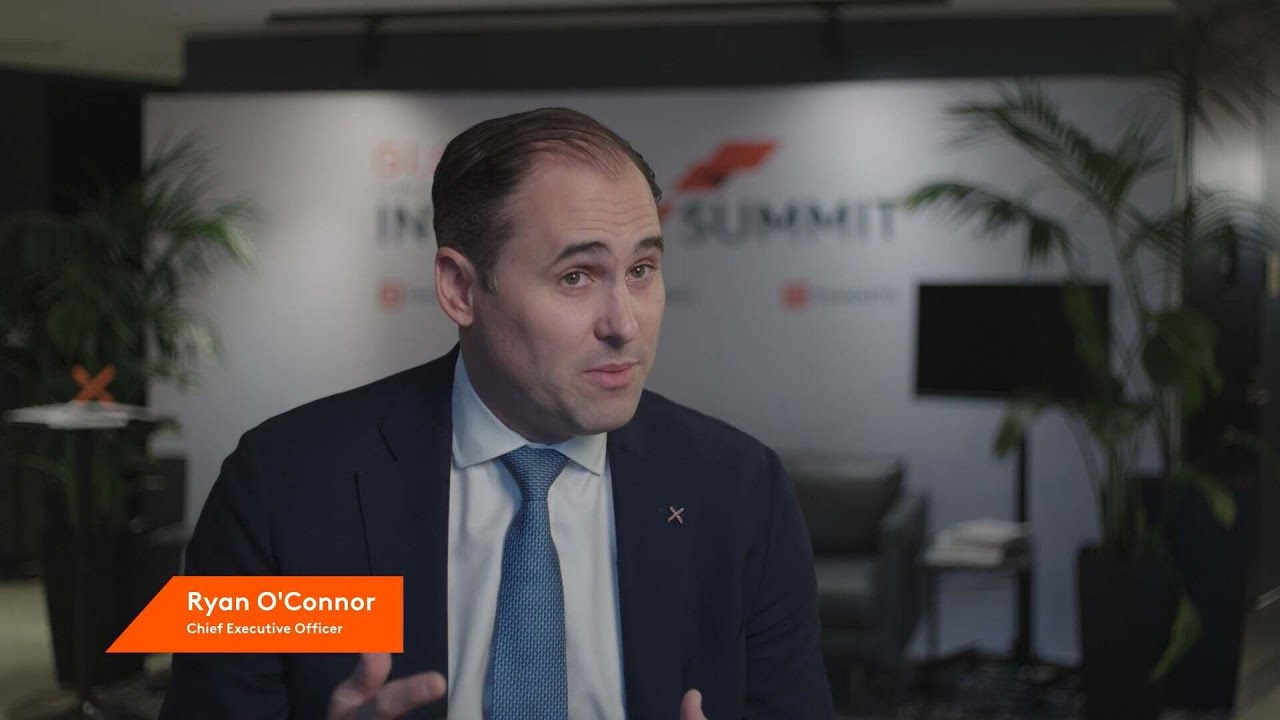
Ryan O’Connor: CEO of Global X
Official Global X video featuring CEO Ryan O’Connor discussing the firm at the Global X Investor Sum...

Banking for Bitcoiners with Bold CEO Zack Pardey
Stephan Livera Podcast interview with Zack Pardey covering Bold, a Bitcoin-focused banking and perso...